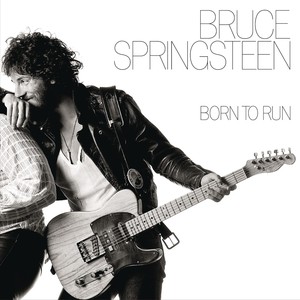
Born to Run
Bruce Springsteen
Born to Run (1975)
Bruce Springsteen
Listen to the Song
Open in YouTubeSummary
Born to Run is the quintessential Bruce Springsteen song, a sprawling rock anthem from 1975 that cemented his place as a rock legend. Its epic soundscape, poetic lyrics about escape and dreams, and a desperate urgency captured the hearts of a generation, transforming him from a critical darling into a commercial success. It remains a timeless classic, celebrated for its raw energy and hopeful spirit.
Musical Analysis
The harmonic distinctiveness of 'Born to Run' lies not in its complexity, but in its absolute mastery of functional diatonic harmony to convey powerful emotion and narrative drive. The song primarily employs two simple, yet incredibly effective, chord progress…
Chords
History
Written in a small house in Long Branch, New Jersey in early 1974, the song was Bruce Springsteen's last-ditch effort to make it big. The prior year, Springsteen had released two albums to critical acclaim but with little commercial success. The lyrics to the…
“The song was co-produced by Bruce Springsteen himself, alongside his manager Mike Appel and Jon Landau.”
📝 Lyrics
desperate · hopeful · exhilaratingTheme
The desperate pursuit of freedom and a better life, fueled by youthful idealism and an urgent need to escape stagnation.
Surface
The song literally depicts a young man imploring his lover, Wendy, to escape with him from their dead-end town in a souped-up car. They believe they are 'born to run' and seek a life of adventure and freedom on the open road, leaving behind a place of decay and lost dreams.
Deeper meaning
Beyond a simple escape narrative, 'Born to Run' is an epic anthem about the universal longing for self-reinvention, the struggle between youthful optimism and encroaching disillusionment, and the yearning for genuine connection amidst the chaos of a desperate flight. It embodies a blue-collar version of the American Dream, where freedom is found not in wealth, but in mobility, autonomy, and the courage to chase an elusive 'promised land.' It's a testament to the redemptive power of movement and the belief that passion can overcome restrictive circumstances, even if the future remains uncertain.
Symbols
Full Musical Analysis
The harmonic distinctiveness of 'Born to Run' lies not in its complexity, but in its absolute mastery of functional diatonic harmony to convey powerful emotion and narrative drive. The song primarily employs two simple, yet incredibly effective, chord progressions. The chorus (I-V-vi-IV) is a widely used and instantly recognizable progression that provides a triumphant, anthemic feel, perfectly supporting the song's grand statements. In contrast, the verse's decision to begin on the subdominant (IV-I-V-IV) is a subtle but crucial choice; it imparts a sense of unrest, yearning, and forward momentum, perfectly reflecting the lyrics' themes of escape and aspiration. The harmony never deviates from E major, relying on strong voice leading, dynamic instrumentation (especially the piano, sax, and glockenspiel), and Springsteen's impassioned delivery to create an epic, iconic sound. This harmonic directness ensures the music is immediately accessible and impactful, allowing the lyrical message and performance energy to take center stage, cementing its status as a classic rock anthem.
Written in a small house in Long Branch, New Jersey in early 1974, the song was Bruce Springsteen's last-ditch effort to make it big. The prior year, Springsteen had released two albums to critical acclaim but with little commercial success. The lyrics to the song are appropriately epic for his last-ditch, all-or-nothing shot at the stars.
Born to Run is the quintessential Bruce Springsteen song, a sprawling rock anthem from 1975 that cemented his place as a rock legend. Its epic soundscape, poetic lyrics about escape and dreams, and a desperate urgency captured the hearts of a generation, transforming him from a critical darling into a commercial success. It remains a timeless classic, celebrated for its raw energy and hopeful spirit.
Deep Analysis Available
Detailed analysis of this section is not yet available for this song.
Requested by 2 listeners
Song DNA
Genre
Rock
Era
70s
Mood
Euphoric
Tempo
Fast
Key
Major
Texture
Layered
Sound
Piano-sax
Feel
Driving
Explore More
More by Bruce Springsteen
See all songs →Similar Songs
Explore related
Statistics
6.7M
Plays
1.0M
Listeners
823K
Genius Views
23
Annotations
100%
Popularity
5:04
Duration
4/4
Time
Credits
Written by
Produced by
From the album Japanese Singles Collection: Greatest Hits